







Search Results for: Kenyan Coffee Producing Regions
Kenyan Coffee Flavor and Brewing Guide: AA Grading Standards and Analysis of Six Major Producing Regions
Kenyan coffee is famous for its bright acidity and intense berry flavors, and is a beloved favorite among many seasoned coffee enthusiasts. But do you know about its cultivation history, producing regions, and green bean grading? This article starts with the origins of Kenyan coffee, outlines the distinctive characteristics of its six major producing regions, explains the logic behind grading standards such as AA and PB, and shares brewing parameters and techniques recommended by FrontStreet Coffee, helping you gain a more comprehensive understanding of this East African coffee-producing country and find Kenyan beans that suit your taste. [more…]
A Complete Guide to Kenyan Coffee Beans: Regions, Varieties, K72 Washed Processing, Flavor Profile, and Brewing Parameters
Kenyan coffee has always been famous for its full-bodied juiciness and bright acidity, but many people mistakenly believe that only a small-tomato note represents Kenyan flavor. This article provides a comprehensive overview of the core knowledge of Kenyan coffee, from the growing environment, auction trading system, and green bean grading, to the characteristics of the SL28 and SL34 varieties, the K72 washed processing method, and the six major producing regions including Nyeri and Kirinyaga. At the same time, Front Street Coffee uses two Kenyan AB beans to compare roasting, cupping, and brewing, guiding you through the flavor differences brought by different altitudes and producing regions, as well as grinding and brewing recommendations for Kenyan coffee. [more…]

An In-Depth Analysis of Kenyan Specialty Coffee Beans: Regions, Varieties, Grading, and Front Street Recommendations
Kenyan coffee, with its intense and full-bodied fruit acidity, uniform bean size, and exceptional fruity flavors, has always held a unique position in the specialty coffee world. Unlike Ethiopia's gentle and translucent character, Kenya's acidity is more impactful and layered. This article will systematically examine the full picture of Kenyan coffee, from its development history, growing conditions, major producing regions, variety selection and breeding, grading system, to its auction trading model. At the same time, drawing on Front Street Coffee's cupping and brewing practices, it will take an in-depth look at the flavor differences between two beans—Asalia AA TOP and Sasini Estate PB—to provide coffee enthusiasts with a complete guide to Kenyan coffee. [more…]
A Comprehensive Analysis of Kenyan Coffee Bean Grading and Cultivation Processing Systems: From AA Classification to Auction Trading
Kenyan coffee is renowned worldwide for its intense, full-bodied fruity acidity, and its unique flavor profile is inseparable from its strict grading system and refined cultivation and processing systems. This article will systematically sort out the development of Kenyan coffee, from its introduction during the colonial period to the Scott Laboratories' selection and breeding of SL28 and SL34, and then to the grading standards such as AA, AB, and PB established in 1938, interpreting one by one the meanings and characteristics of the E, AA, AB, C, PB, TT, and T grades. At the same time, it will provide an in-depth introduction to the flavor differences of major Kenyan coffee regions such as Nyeri, Kirinyaga, and Thika, analyze the coexistence of large estates and smallholder cooperatives, as well as the two trading mechanisms of the Nairobi Coffee Exchange auction and direct trade. Front Street Coffee will also share roasting and pour-over recommendations for Kenyan Asalia coffee beans, taking you through a comprehensive understanding of the coffee world of this East African producing country. [more…]
Kenyan Coffee Bean Flavor Code: A Detailed Guide to K72 Washed Processing, SL28/SL34 Varieties, and Acidity Differences Across Growing Regions
Kenyan coffee stands out in the specialty coffee world with its powerful, full-bodied acidity, forming a sharp contrast to the crisp brightness of Ethiopia. From the establishment of the cooperative union in 1931 to the K72 72-hour washed fermentation, from the selection and breeding of SL28 and SL34 to the fine grading of AA, AB, and others, Kenya has built a complete specialty coffee system. This article systematically reviews the historical development of Kenyan coffee, cultivation models, flavor differences among major producing regions, and variety characteristics, and includes roasting and brewing suggestions for Front Street Coffee's Kenyan Asaliya coffee beans, bringing you a comprehensive understanding of the unique charm of this African producing region. [more…]
A Complete Guide to Kenyan Coffee Beans: Origin Legends, Development History, Growing Regions, and Grading System
Kenyan coffee, with its bright and uplifting acidity, intense berry flavors, and robust juicy mouthfeel, has become the beloved favorite of countless coffee connoisseurs. From the late nineteenth century when French missionaries introduced coffee trees to this land, to today when the Nairobi auction has become one of the most transparent coffee trading platforms in the world, Kenyan coffee has traveled a unique path of development. This article will systematically review the cultivation history of Kenyan coffee, the terroir characteristics of its six core producing regions, and the green bean grading system based on bean size, while also sharing the specific parameters and techniques used by Front Street Coffee when brewing Kenyan beans, taking you through a comprehensive understanding of the charm of this East African coffee powerhouse. [more…]

Tracing the Origins and Tasting the Flavors of Kenyan Coffee: A Detailed Guide to Six Major Producing Regions and the K72 Washed Process
Kenyan coffee is world-renowned for its bright fruit acidity and full-bodied berry flavor, and Front Street Coffee's Kenyan Cherry Tomato Coffee is a representative of this style. This article begins with the historical development of Kenyan coffee, outlining its growing conditions, the altitude, varieties, and flavor characteristics of its six major producing regions (Thika, Kirinyaga, the western side of Mount Kenya, Nyeri, Kiambu, and Murang'a), analyzing the auction and direct trade systems and the green bean grading standards such as AA/AB/PB, and detailing the three-cycle fermentation process of the K72 washed processing method. Finally, it includes the brewing parameters and tasting notes for Front Street Coffee's Asaliya coffee beans, providing coffee enthusiasts with a complete guide to appreciating Kenyan coffee. [more…]
A Detailed Guide to the Flavor Characteristics of Kenyan Specialty Coffee Beans and the AA Grade System: Comparing Nyeri and Kirinyaga Regions
Kenya, as East Africa's most important specialty coffee-producing country, is renowned for its full-bodied juicy mouthfeel and distinct flavor layers. However, many people habitually define Kenyan beans by a "cherry tomato" note, a judgment Front Street Coffee considers overly simplistic—the true core characteristic of Kenyan origins lies in their substantial juicy mouthfeel. This article will systematically outline the full picture of Kenyan specialty coffee, starting from Kenya's production and marketing system, grading standards, the terroir of its six major regions, the characteristics of the SL28 and SL34 varieties, and the iconic K72 washed processing method. At the same time, through roasting, cupping, and brewing, Front Street Coffee compares the flavor differences between two AB-grade beans—from the Nyeri Gachatha Cooperative and the Mugaya Processing Station—to help readers gain a more comprehensive understanding of the diversity of Kenyan coffee. [more…]
Kenyan Coffee Beans: Flavor Characteristics, Main Producing Regions, Pour-Over Parameters Explained, and Front Street Single-Origin Recommendations
Although Kenya is adjacent to Ethiopia and Yemen, its coffee-growing history is much shorter—seeds were not brought in by missionaries until the late 19th century. Today, Kenya is known for varieties such as SL28 and SL34 and its strict AA grading, producing high-quality Arabica with bright acidity and prominent berry and grapefruit aromas. In this article, Front Street Coffee will start with Kenya's coffee-producing regions, variety characteristics, and grading system, gradually analyzing its flavor expression, and share the complete parameters for a pour-over Kenya Little Tomato along with the three-pour brewing steps, taking you to experience a cup of Kenyan coffee that is as rich yet fresh as blackcurrant juice. [more…]
Kenyan Coffee Bean Grading and Flavor Analysis: AA Grade Standards, Regional Characteristics, and Front Street Recommendations
Kenyan coffee is renowned worldwide for its vibrant fruit notes and full body, making it a favorite among many coffee enthusiasts. This article systematically outlines Kenya's coffee grading standards, explaining each tier from AA and AB to PB and E, and provides an in-depth analysis of its unique K72 washing process. It also introduces the altitude, varieties, and harvest periods of core producing regions such as Nyeri, Kirinyaga, and Muranga, along with the brewing parameters and flavor profile of Front Street Coffee's recommended Kenyan Cherry Tomato coffee beans, offering coffee lovers a complete guide to Kenyan coffee. [more…]
A Complete Guide to Kenyan Coffee Regions: Tracing the Origins of the SL Series Varietals and the Flavor Characteristics of K72 Washed Processing
Kenyan coffee has long been renowned worldwide for its distinct fruity aromas, bright acidity, and multi-layered mouthfeel, making it an irreplaceable classic origin in the hearts of many coffee lovers. This article will systematically outline the lineage of Kenyan coffee varieties—from SL28 and SL34 to the breeding history of Batian and Ruiru11—explain in detail the 72-hour cyclic fermentation process of the K72 washed processing method, and introduce one by one the terroir characteristics and cupping performance of six major production regions: Thika, Kirinyaga, Nyeri, Kiambu, Muranga, and the western side of Mount Kenya. At the same time, it brings the detailed parameters and flavor descriptions of two Front Street single-origin Kenyan coffees—Sasini Estate PB and Athalia—providing coffee enthusiasts with a complete cognitive framework and purchasing reference for Kenyan coffee. [more…]
A Comprehensive Analysis of the Origins, Producing Regions, and Grading System of Kenya Coffee, the Pearl of East Africa
Kenyan coffee is world-famous for its bright acidity and rich berry flavors, and is a beloved favorite among countless coffee connoisseurs. But did you know that this land, which borders Ethiopia, the birthplace of coffee, can only trace its coffee-growing history back to the late nineteenth century? From its introduction by French missionaries to the large estates of the British colonial period, and now to today's transparent and efficient auction system, Kenyan coffee has taken a unique path of development. This article will take you through an in-depth look at the origins of Kenyan coffee cultivation, the characteristics of its six major producing regions, its green bean grading system, and the brewing methods recommended by Front Street Coffee, offering a comprehensive interpretation of the story behind this fine brew from East Africa. [more…]
A Complete Guide to Kenya Coffee Bean Grading: From AA to PB, What Is the Highest Grade of Green Beans?
Kenyan coffee is renowned for its intense, full-bodied fruity acidity, forming a sharp contrast with the soft, bright character of neighboring Ethiopia. This article systematically reviews the development history, growing conditions, major producing regions, variety structure, grading system, and trading models of Kenyan coffee, and provides a detailed explanation of the definitions and differences among grades such as E, AA, AB, and PB. At the same time, Front Street Coffee draws on its roasting and cupping experience with multiple Kenyan beans to share the flavor performance and pour-over recommendations for two beans, Asaliya and Sasini Estate PB, guiding you through a comprehensive understanding of Kenya's coffee quality system. [more…]
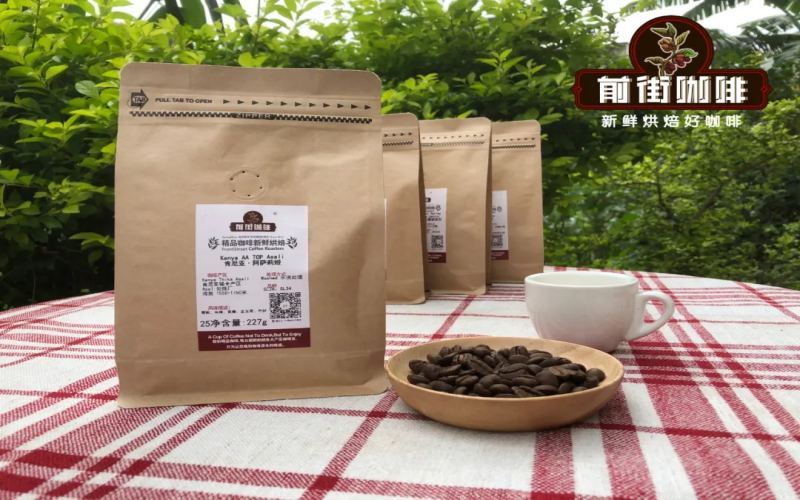
Kenyan Coffee Beans: A Complete Guide to the Flavor Profiles of Seven Major Regions, AA Grading, 72-Hour Washed Processing, and SL Varieties
Kenyan coffee has always been a favorite among acidity lovers, and in recent years it has shown a full berry-juice feel, dark plum acidity, and caramel sweetness. This article systematically reviews Kenya's coffee-growing geography and harvest seasons, the terroir characteristics and elevation ranges of seven well-known producing regions (Thika, Kirinyaga, the western side of Mount Kenya, Nyeri, Kiambu, Ruiru, and Murang'a), explains the AA grading system and the TOP/PLUS/FAQ cupping grades, details the world-famous K72-hour washed processing method, traces the breeding history and flavor differences of the two representative varieties SL28 and SL34, and includes Front Street Coffee's brewing parameters and technique suggestions, helping readers gain a comprehensive understanding of the unique charm of Kenyan coffee. [more…]
Kenya Coffee Industry Panorama: From Berman Estate to Front Street Asalia - Regions, Grading, and Flavor Analysis
Kenya, with its exceptional climate conditions and a continuously refined industry system, has cultivated Arabica coffee with distinct flavors and outstanding quality. This article starts with Dormans Estate, Kenya's largest coffee producer, to systematically trace the rise of Kenyan coffee—including the SL28/SL34 breeding mechanism, government promotion, the auction system, unique grading standards, and the 72-hour washed fermentation process—and further analyzes the characteristics of core producing regions such as Nyeri, Kirinyaga, and Murang'a. It also presents Front Street Coffee's Kenyan Asalia (Little Tomato) brewing recipe and flavor review, offering coffee enthusiasts a complete picture of Kenyan specialty coffee. [more…]
Why Does Kenyan AA Coffee Have a Tomato Flavor? A Comprehensive Analysis of Producing Regions, Grading, and Brewing Key Points
Kenya AA coffee is renowned for its bright fruit acidity and distinctive tomato-like flavor, making it one of the most recognizable presences in specialty coffee. This article systematically analyzes the origins of Kenyan coffee's flavor, from growing conditions and historical context to the top ten producing regions, the official grading system, and the K72 washed processing method. The baristas at Front Street Coffee combine cupping and pour-over practice with Kenyan Asaliya beans to share specific parameters and brewing techniques, helping enthusiasts understand this "most acidic coffee's" clean mouthfeel and its layers reminiscent of smoked plum and cherry tomato—ideal for readers who want to delve deeper into Kenyan coffee. [more…]
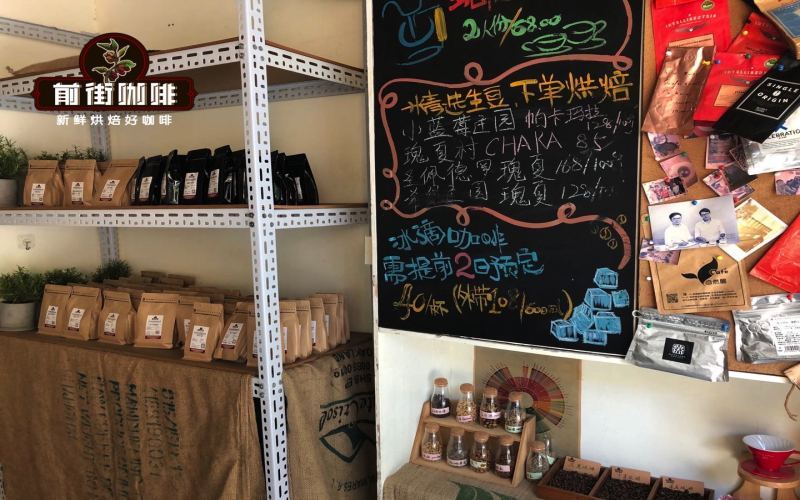
Where Does the Sour Taste of Kenyan Coffee Come From? A Full Analysis of the AA, AB, and PB Grading System and the Flavors of the Ten Major Producing Regions
Kenyan coffee is renowned for its clean, crisp cup profile and bright fruit acidity, making it one of the most recognizable African beans in the minds of many coffee enthusiasts. Why is Kenyan coffee so acidic? This is inextricably linked to its high-altitude growing environment, volcanic soil, and unique washed processing method. This article will systematically outline the growing conditions and historical context of Kenyan coffee, introduce the ten major producing regions including Nyeri, Murang'a, and Kirinyaga one by one, provide a detailed explanation of the official grading standards such as AA, AB, and PB based on bean size, and analyze the causes of its signature acidity. At the end of the article, Front Street Coffee's pour-over parameters for Kenyan Asaliya are shared for practical reference. [more…]
Kenyan Coffee Flavor and Regions: A Complete Guide — From AA Grading to K72 Washing, Front Street Coffee Helps You Understand Specialty Kenya
Kenyan coffee is renowned for its bright, full-bodied fruit acidity and thick, juicy mouthfeel, making it a producer origin that cannot be overlooked on the global specialty coffee map. This article systematically sorts through the full picture of Kenyan coffee, from its historical evolution, variety selection and breeding, the terroir of its six major producing regions, the auction and direct trade systems, to green bean grading standards and the K72 washed processing method. At the same time, drawing on the cupping and brewing experience of FrontStreet Coffee, it introduces the origin information and brewing parameters of Kenyan Cherry Tomato coffee beans, helping coffee enthusiasts gain a more comprehensive understanding of the unique charm of this East African producing country. [more…]
The Origin of Starbucks Kenya AA Elephant Packaging: A Full Analysis of Kenyan Coffee Regions, Varieties, and the K72 Processing Method
Kenyan coffee occupies an important position in the global specialty coffee landscape. Starbucks Kenya AA coffee beans feature an elephant as the packaging design, which naturally evokes the vast scenery of the African savanna. This article, compiled by Front Street Coffee (FrontStreet Coffee), provides a comprehensive analysis of the unique charm of Kenyan coffee, from its historical origins, geographical growing conditions, six major producing regions, four main variety characteristics, green bean grading system, to the K72 washed processing method. The article also specifically shares the roasting parameters and brewing suggestions for Front Street's Kenya Cherry Tomato coffee beans, helping coffee enthusiasts gain a deeper understanding of this African specialty bean with its cherry tomato acidity. [more…]
A Complete Guide to Kenyan Coffee Flavor Grades and Regions: From AA Classification to the K72 Washed Processing Method
Kenyan coffee is renowned worldwide for its bright acidity and full-bodied juicy mouthfeel. Along with neighboring Ethiopia, it represents African specialty coffee, yet its flavor profile is completely different. Front Street Coffee takes you on a deep dive into the development of Kenyan coffee: from the introduction of coffee during the British colonial period and the establishment of the Scott Agricultural Laboratories to select and breed SL28 and SL34, to the establishment of a grading system based on bean size and cup quality, and further to the unique 72-hour washed fermentation process. This article also outlines the terroir characteristics of core producing regions such as Nyeri, Kirinyaga, and Muranga, analyzes the dual-track trading model in which the Nairobi auction exchange and direct trade operate in parallel, and includes a complete brewing recipe and cupping flavor description for Front Street Kenyan Small Tomato coffee beans. [more…]